

How Does Drawing Arrays For The Factor Pairs Help You Understand The Turn Around Rule?
How to discover the factors of a number
Key points
-
Factors are that divide exactly into a number. -
Factors can exist found by listing them out, using or using
-
A is a ready of two factors. When multiplied together, the pair give a particular . A has one cistron pair consisting of ane factor multiplied by itself.
-
A number that has more than two factors is a . This can be expressed as a unique . This is useful when finding the (HCF) and (LCM) of big numbers.
-
To be able to observe factors and write a number as a product of prime factors, having noesis of powers and indices is useful.
How to find factors and cistron pairs using arrays
-
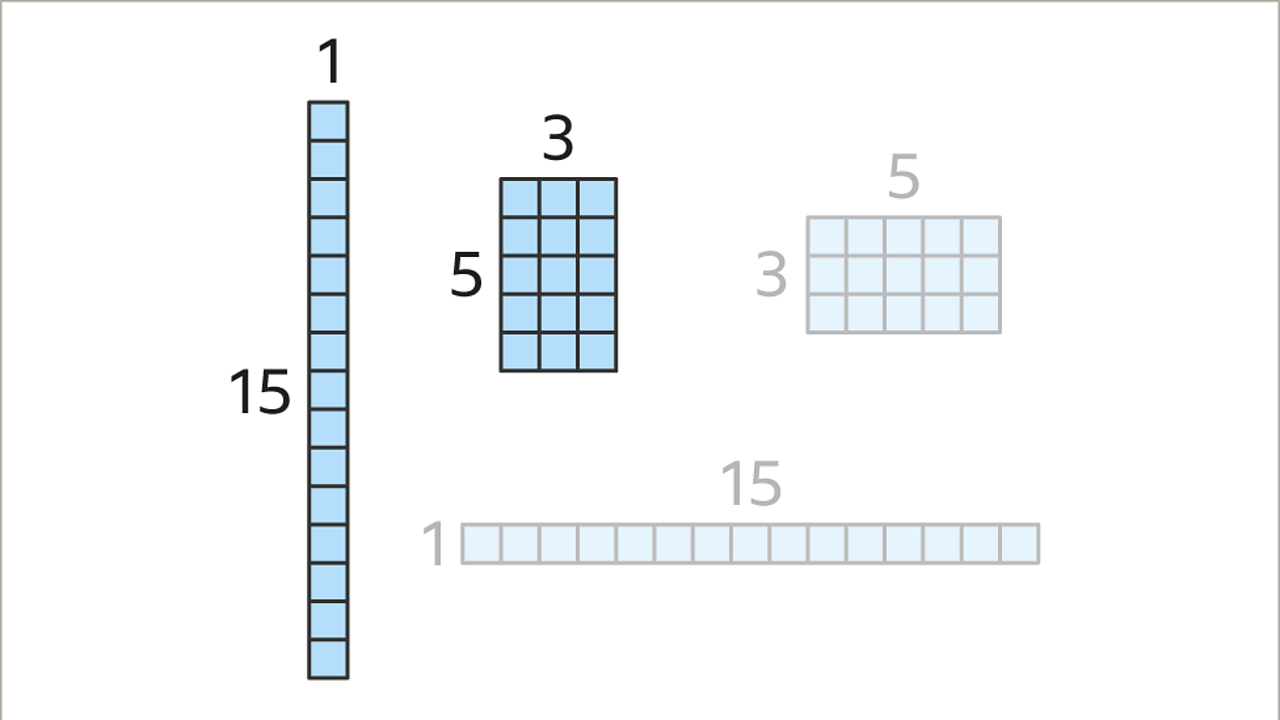
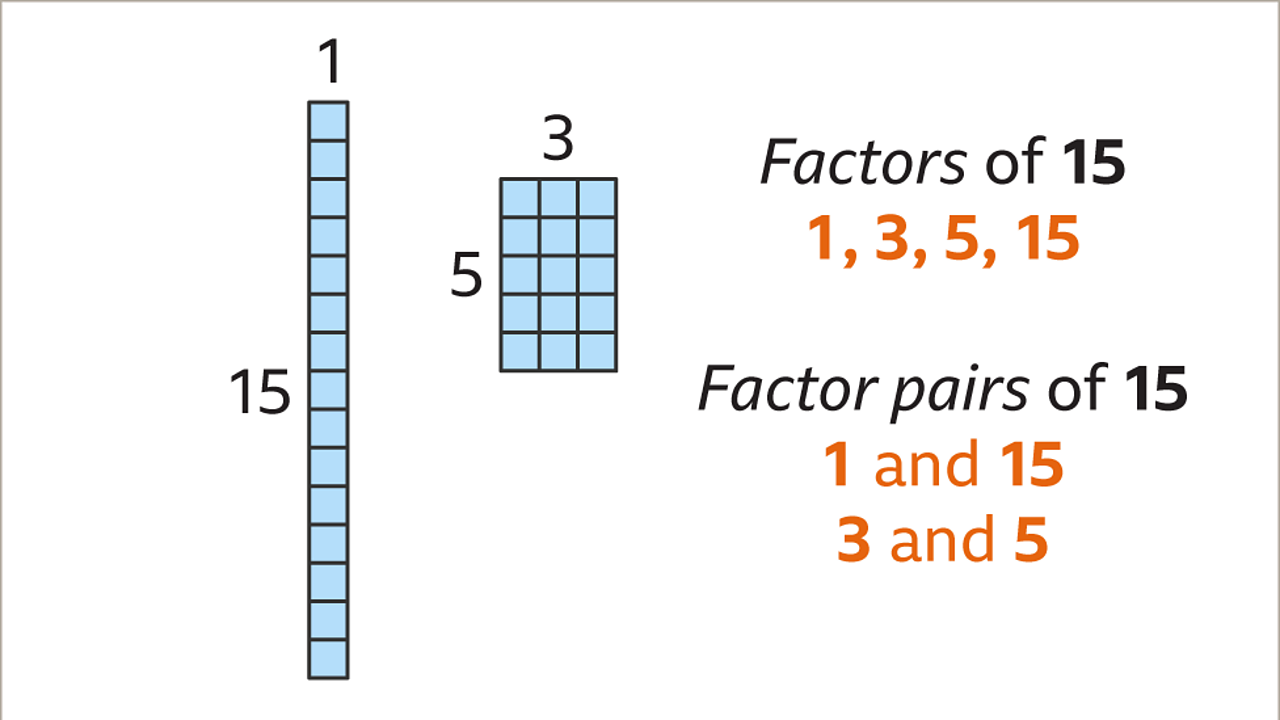
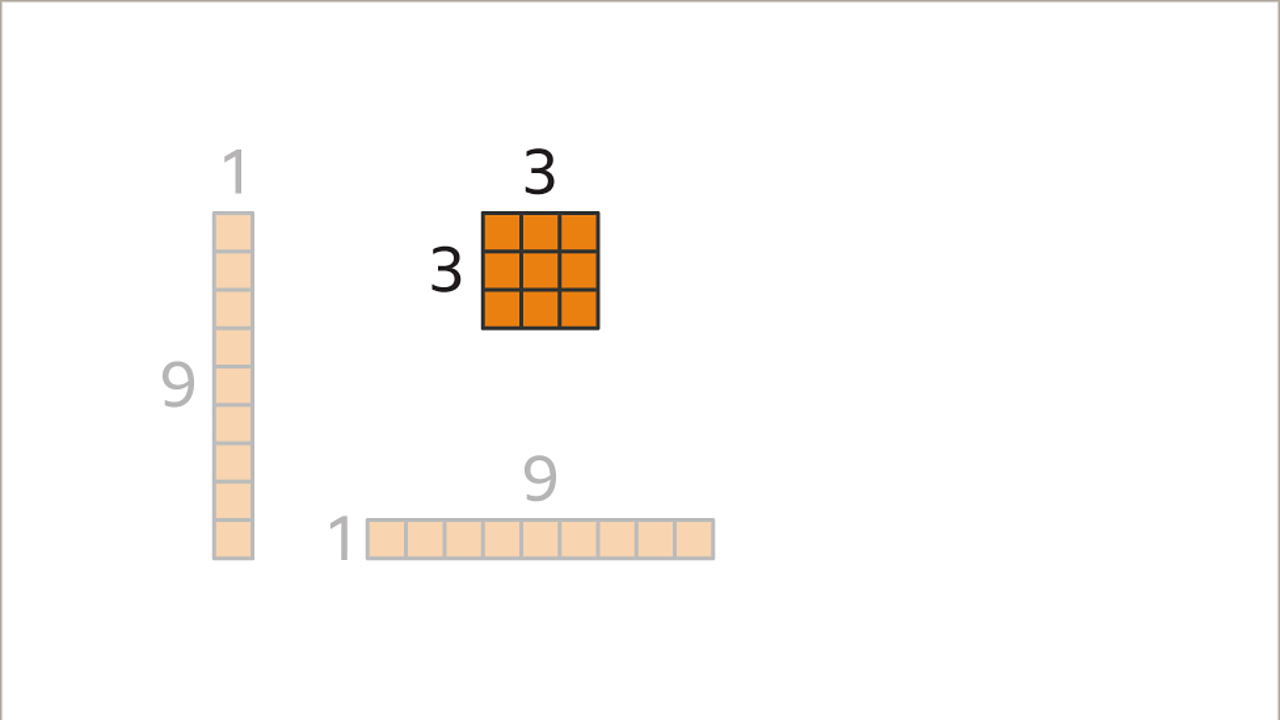
Draw different rectangular with the correct amount of squares. Eg, to find the factors of xv, draw arrays with 15 squares
-
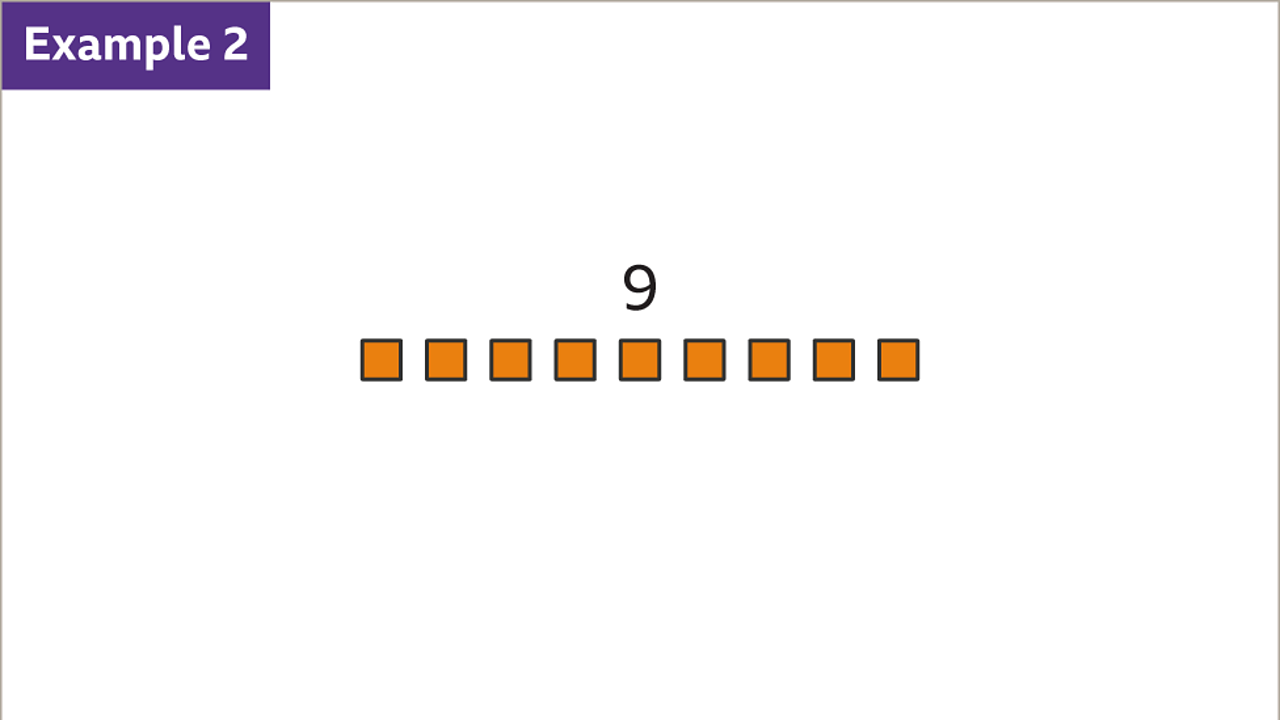
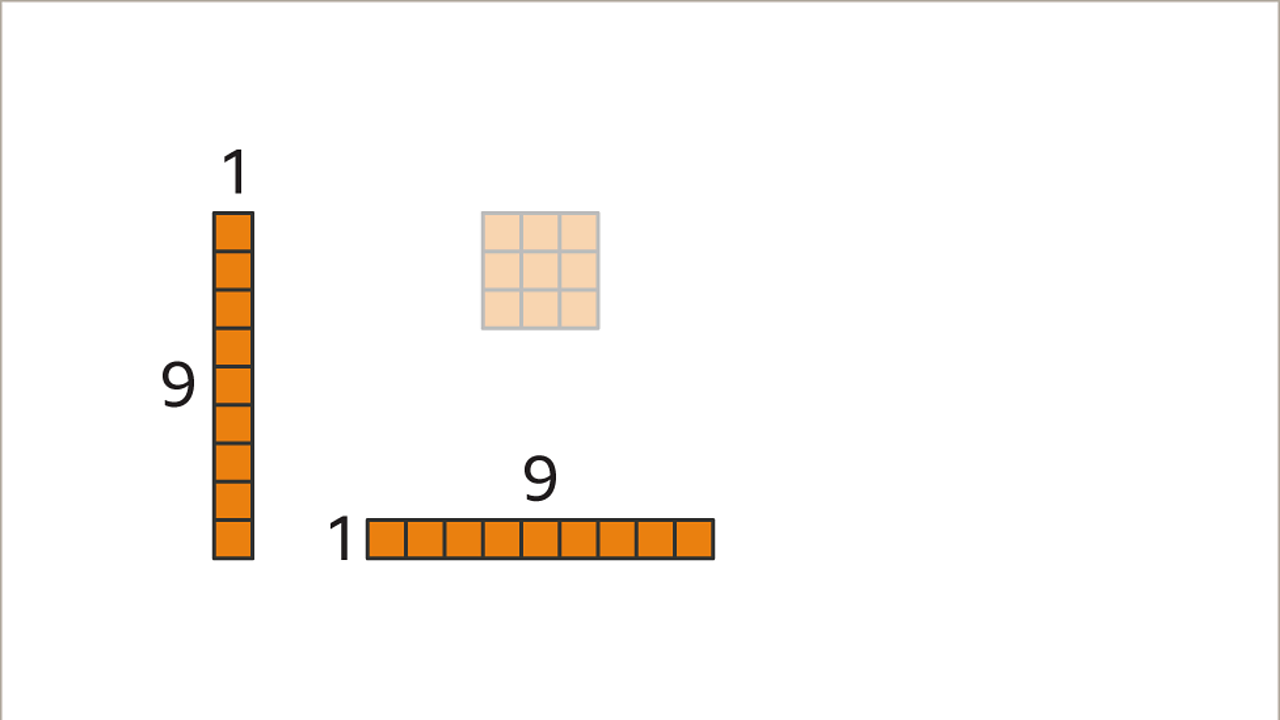
The beginning rectangle will ever exist ane x the number y'all are finding factors for.
-
For the next rectangles, consider whether they tin can have a dimension of two, iii, four etc. Use your understanding of to help.
-
-
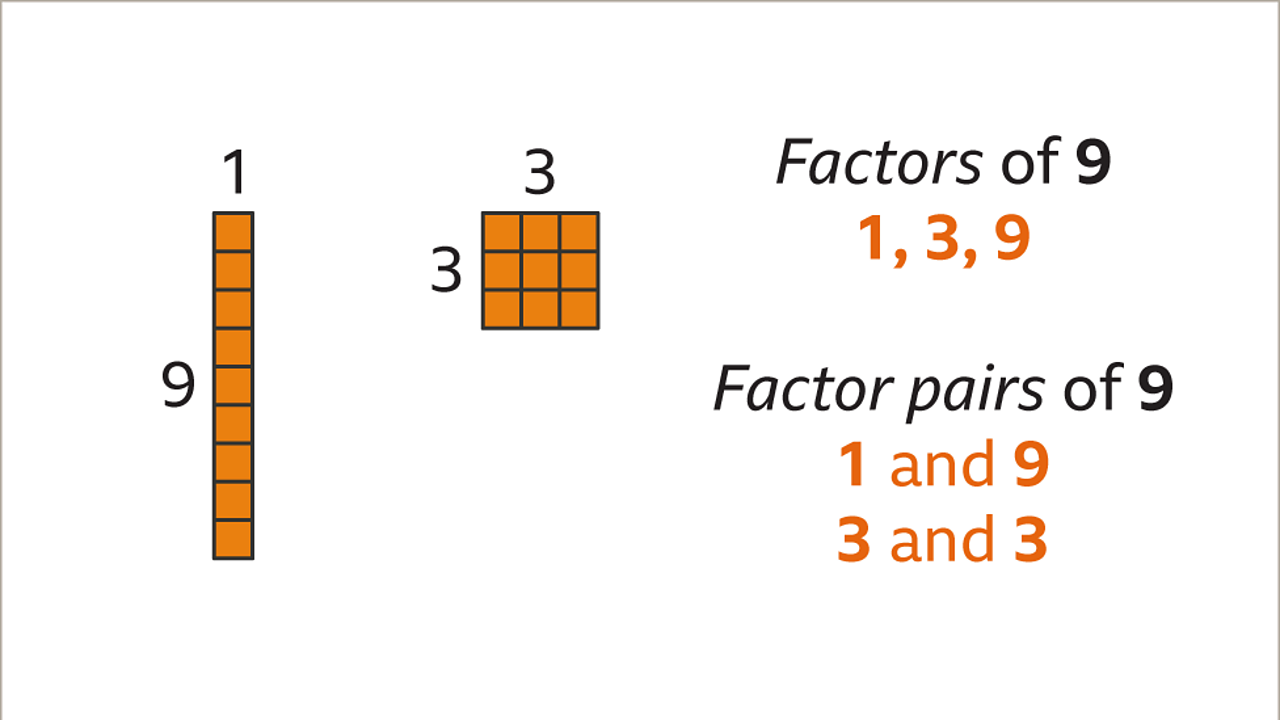
Each time you describe a rectangle, 2 are establish. These are a
-
Sometimes one of the rectangles is a square with equal side lengths. This happens when the number is a . The same factor is constitute twice - therefore only one factor is actually found. Eg, 5 × v = 25 and 5 is a factor of 25
Remember: To find all the gene pairs, it is not necessary to draw every rectangle. Eg, a 5 ten two rectangle and a ii x v rectangle are the same rectangle in a different orientation. Just i of these rectangles is needed to become the factor pair of two and five. Either rectangle can be picked.
Examples
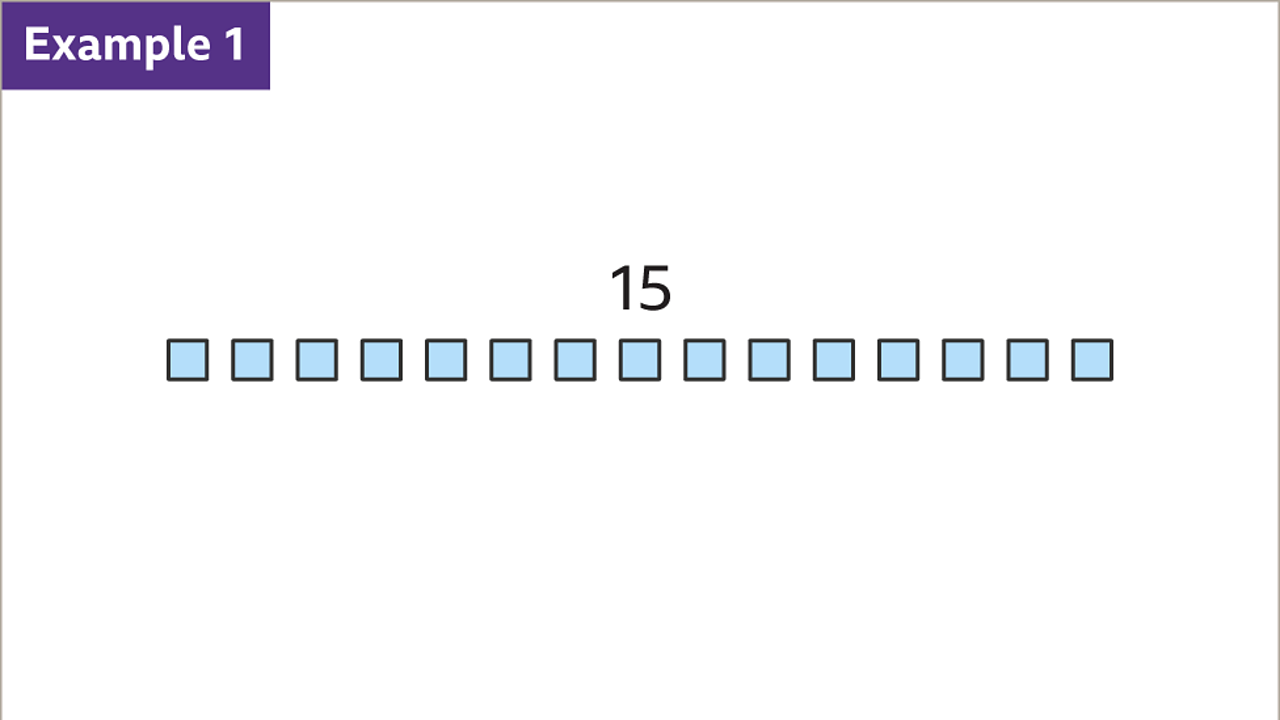
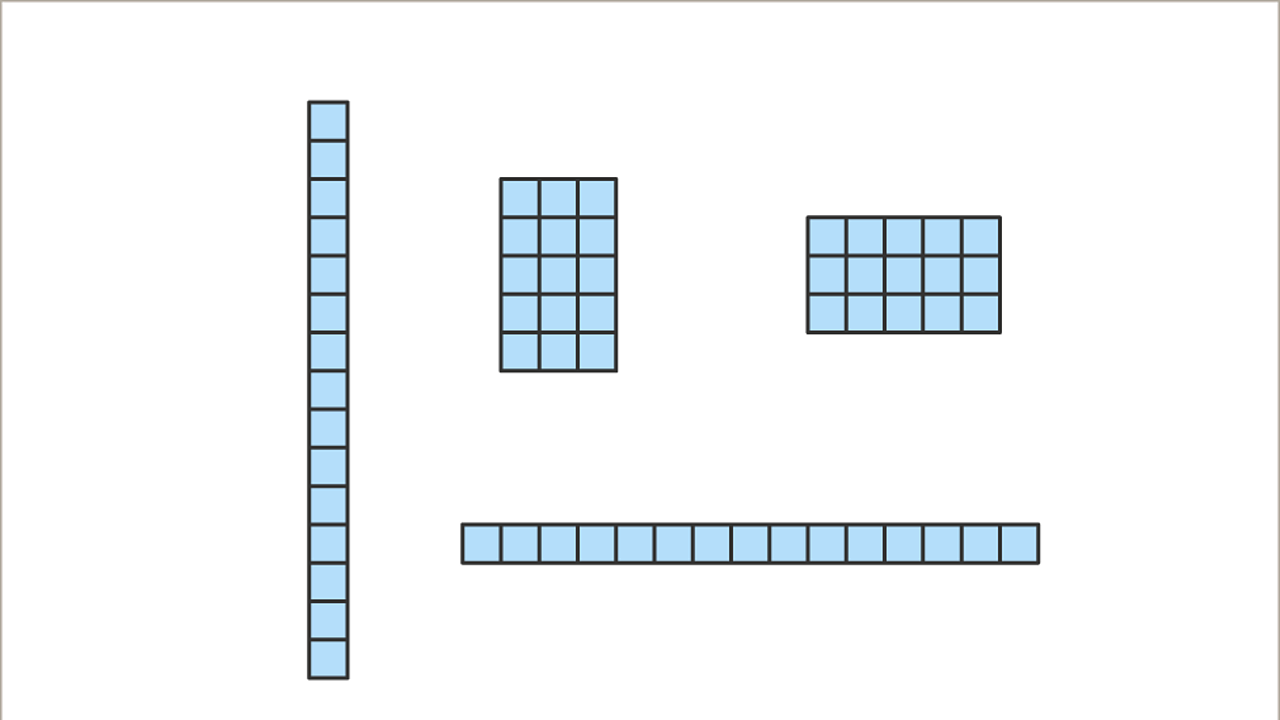
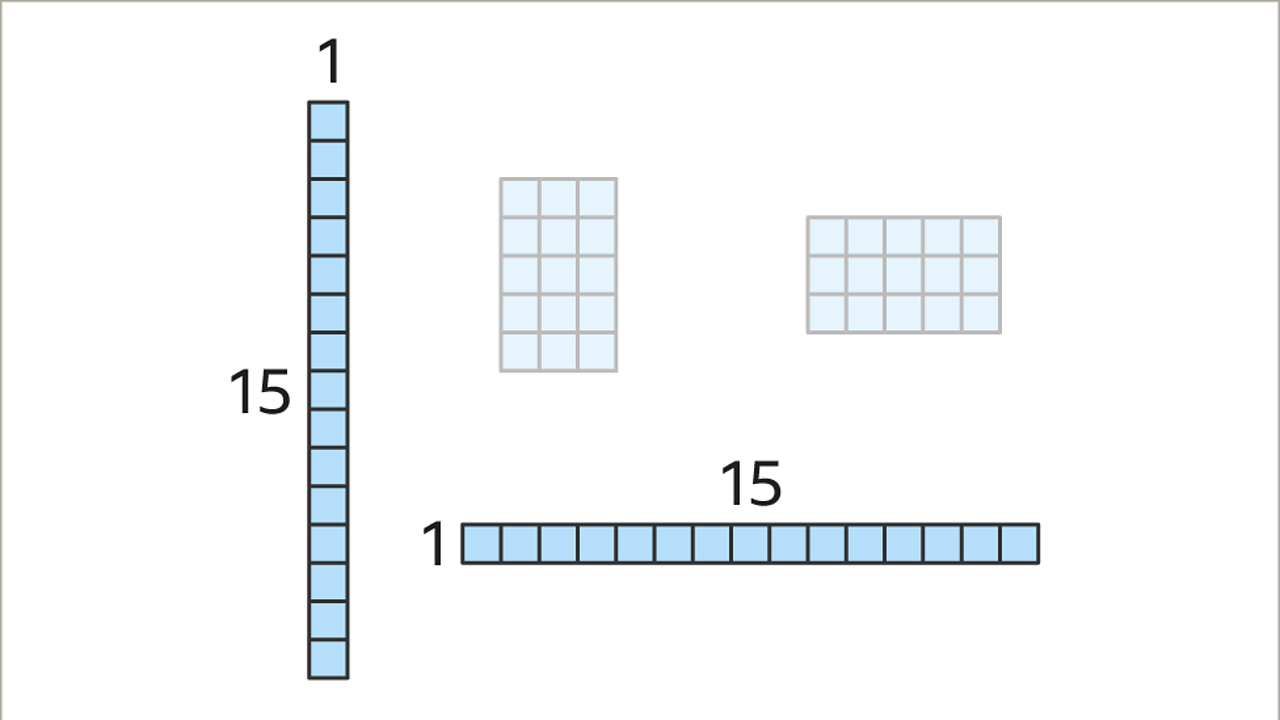
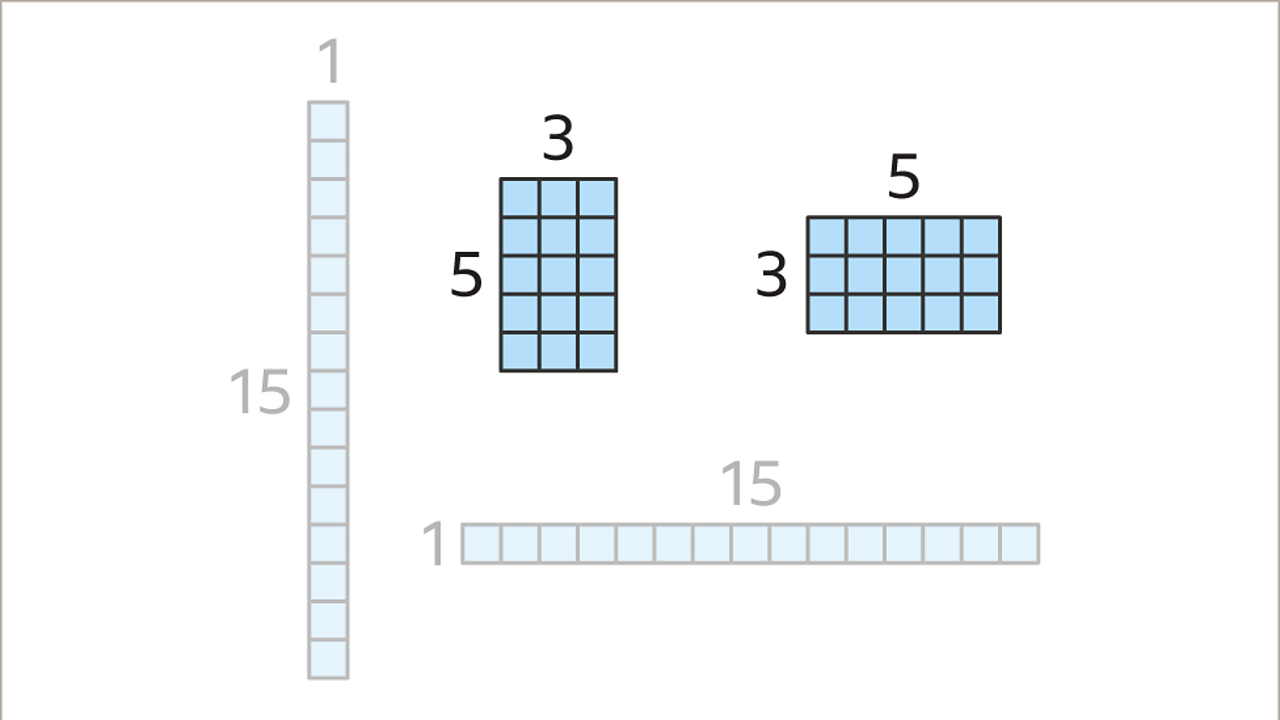
Question
How to find prime factors of a number using a factor tree
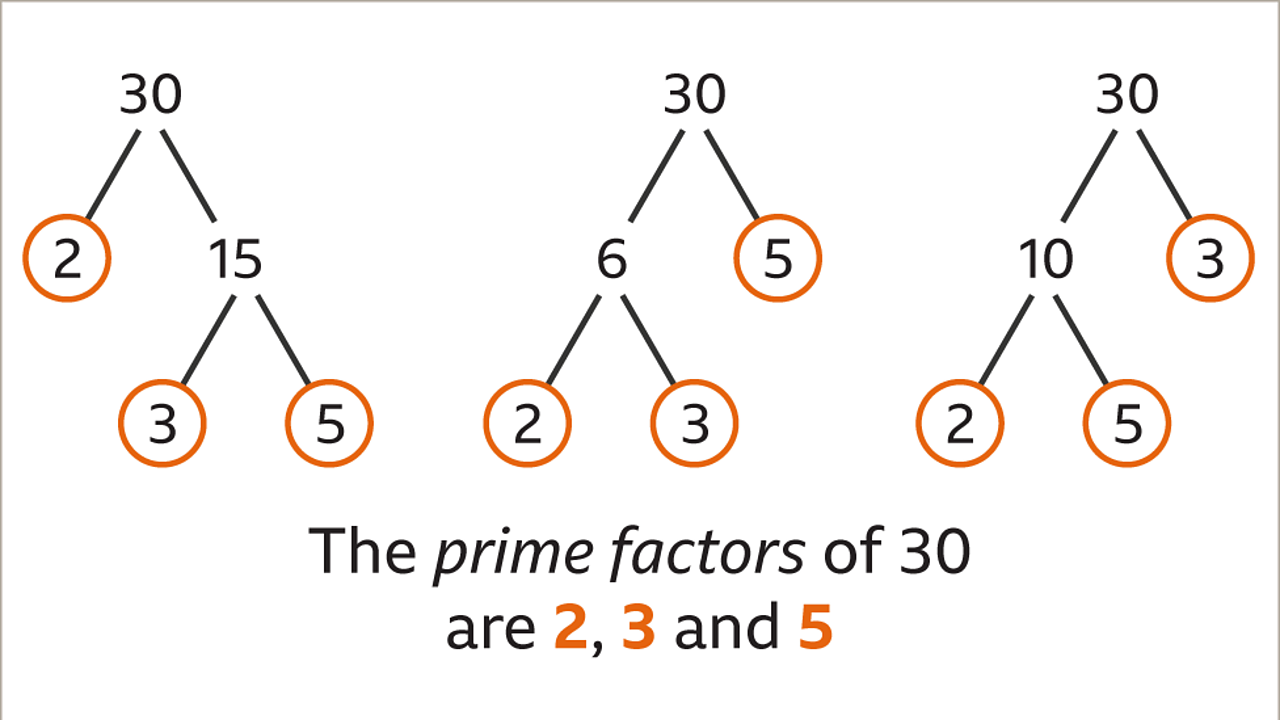
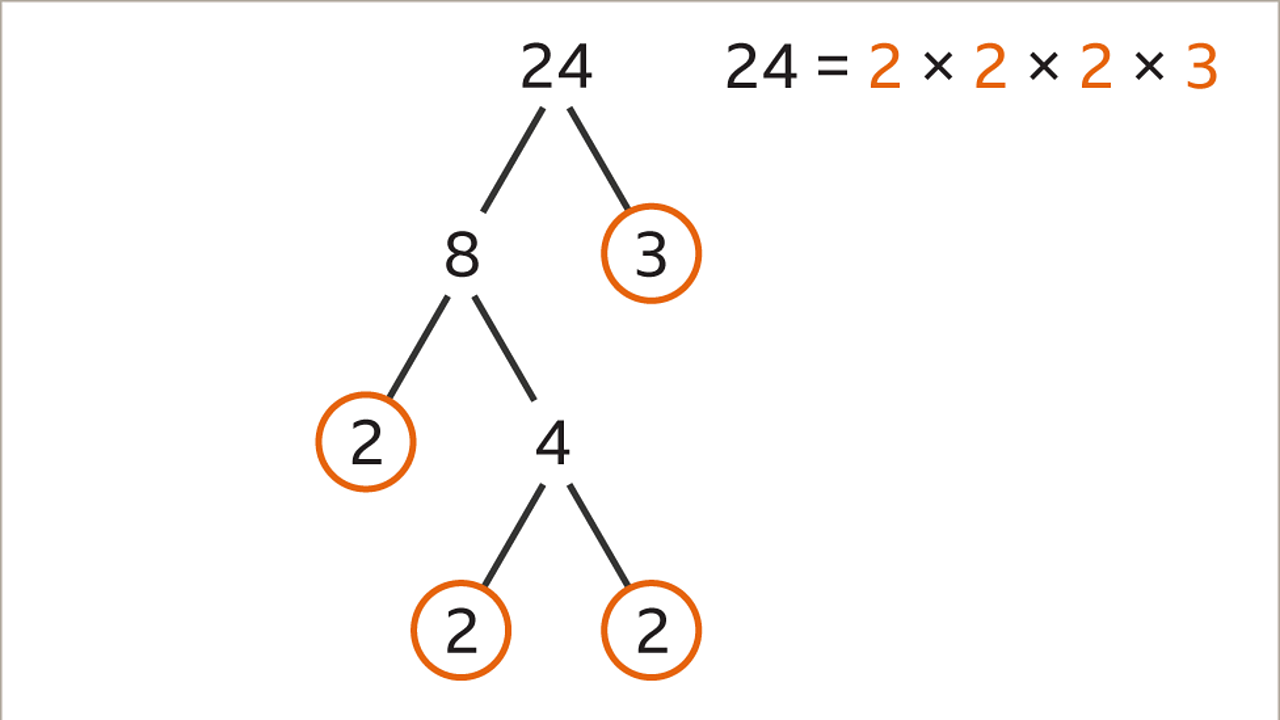
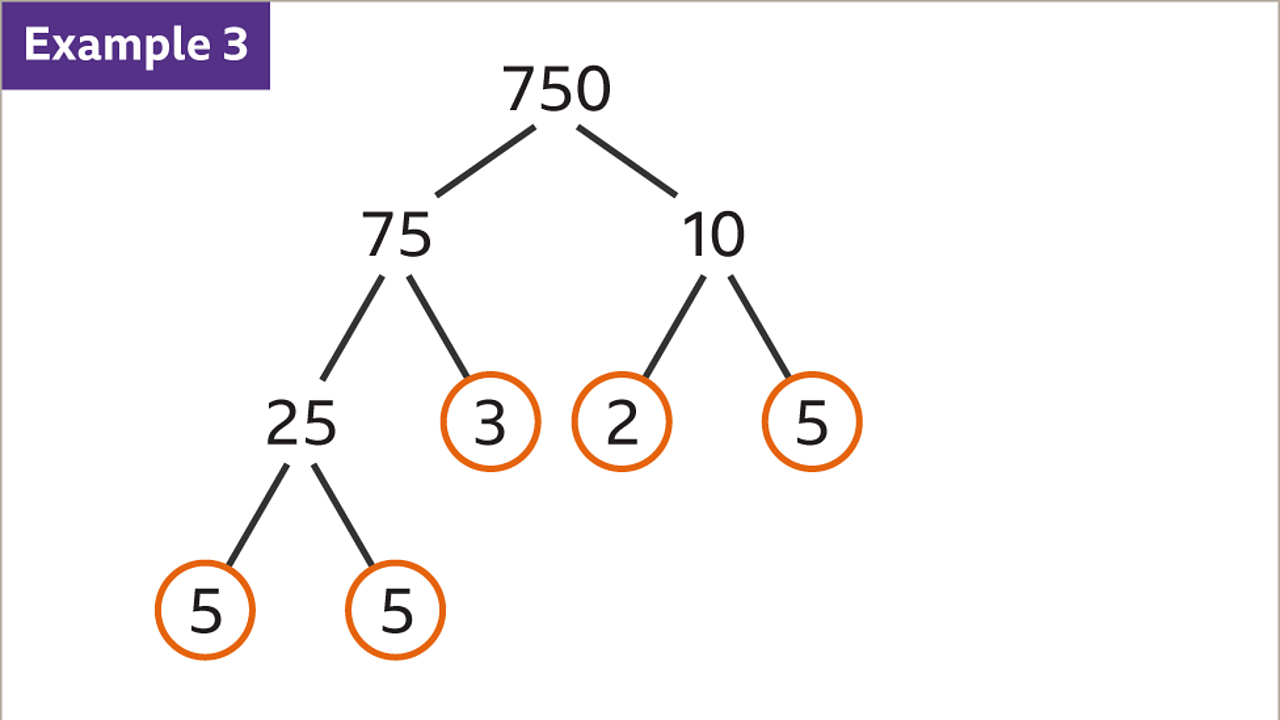
A is fabricated up of that are numbers greater than 1. A number does not produce a gene tree because 1 of its factors is 1 and the other is itself so the number would be repeated – the factor tree would non grow.
-
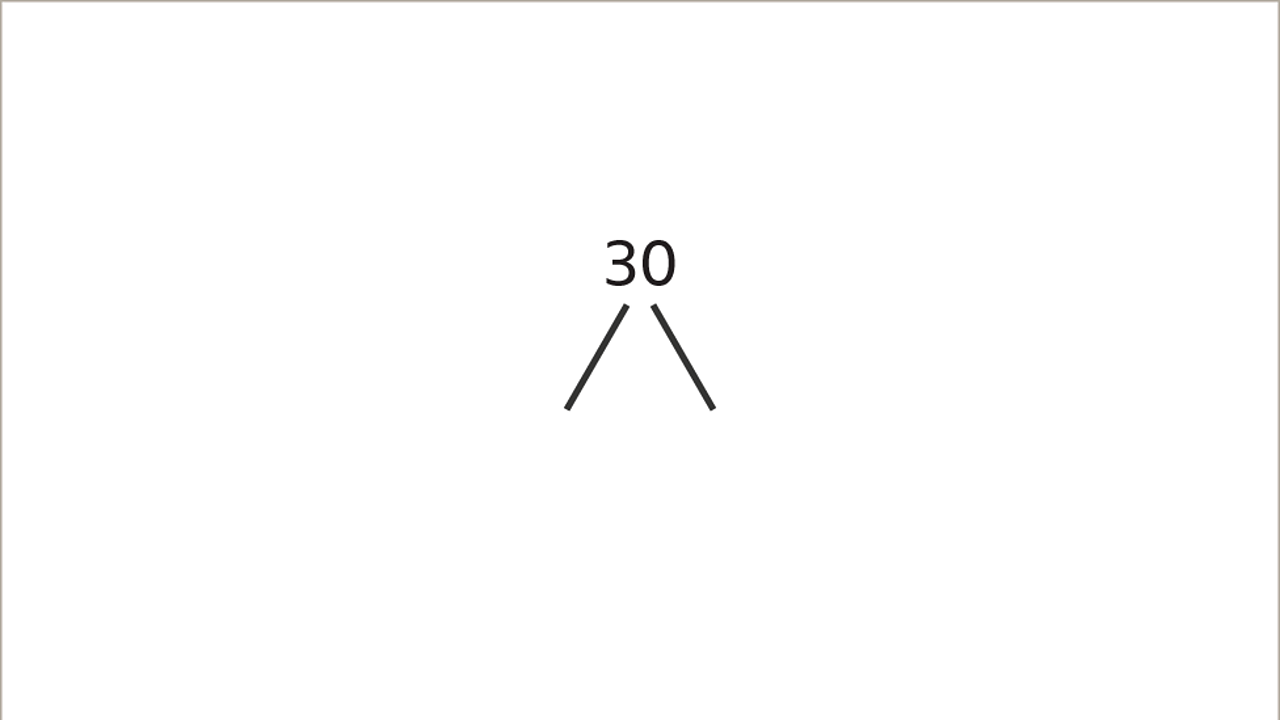
Write the number at the superlative of the factor tree.
-
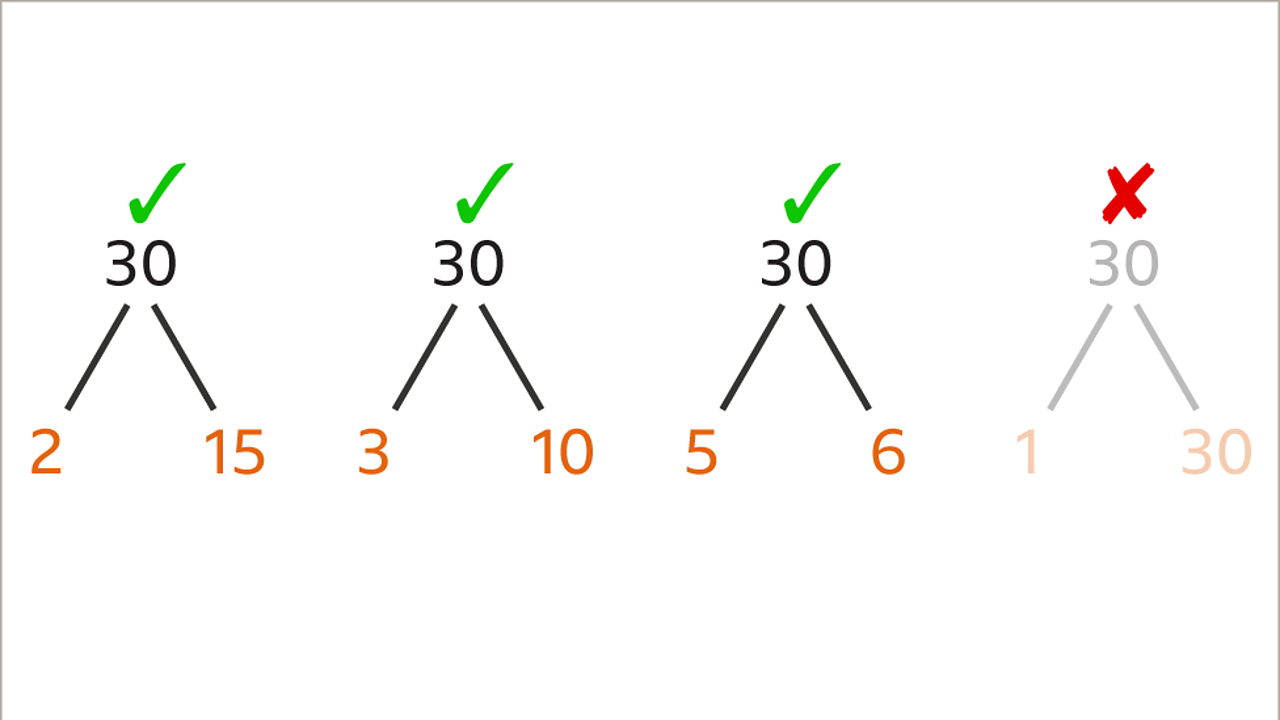
Draw two branches from the number to separate the number into a pair of factors, greater than 1
-
Write each gene at the end of each co-operative.
-
If a cistron is a prime number, the branch does not extend any further and the gene is circled to evidence this.
-
If the cistron is not a prime, it is split into a further pair of factors, greater than 1
-
-
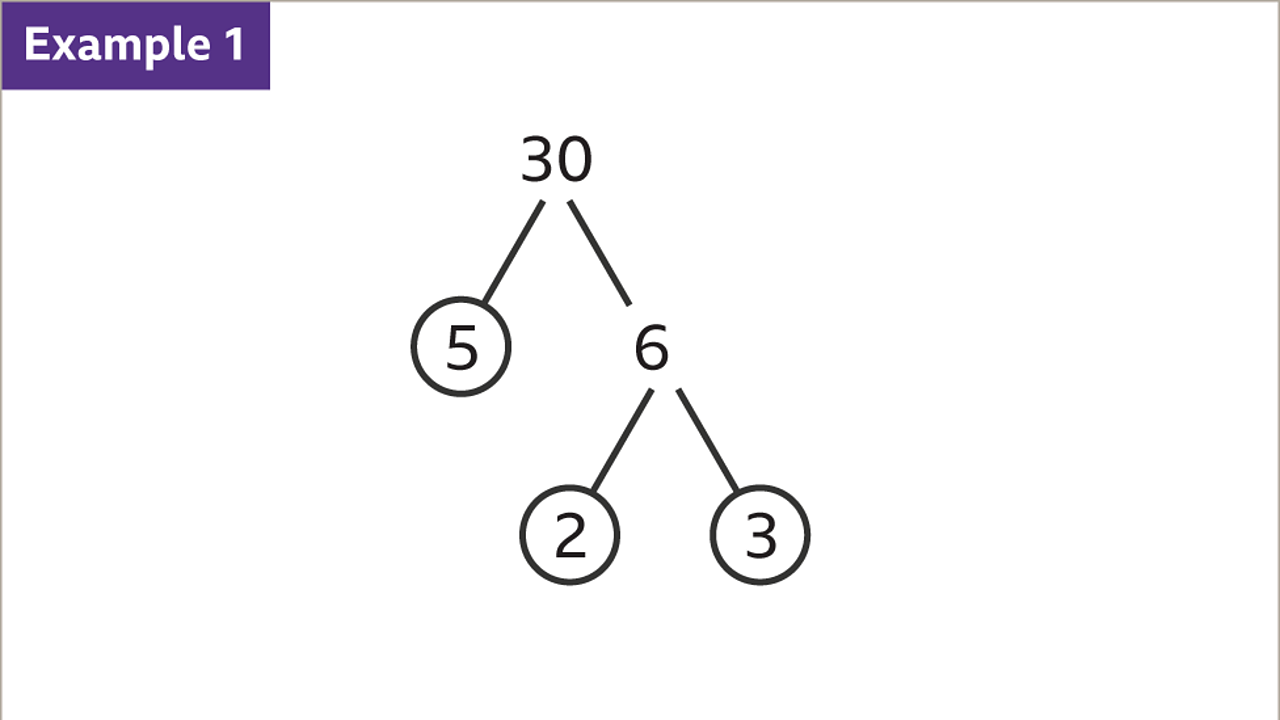
This procedure continues until the branches all end in prime number numbers. These are of the number.
Recall : the cistron tree of a number tin expect different, simply the numbers at the end of the branches will be the same .
Example
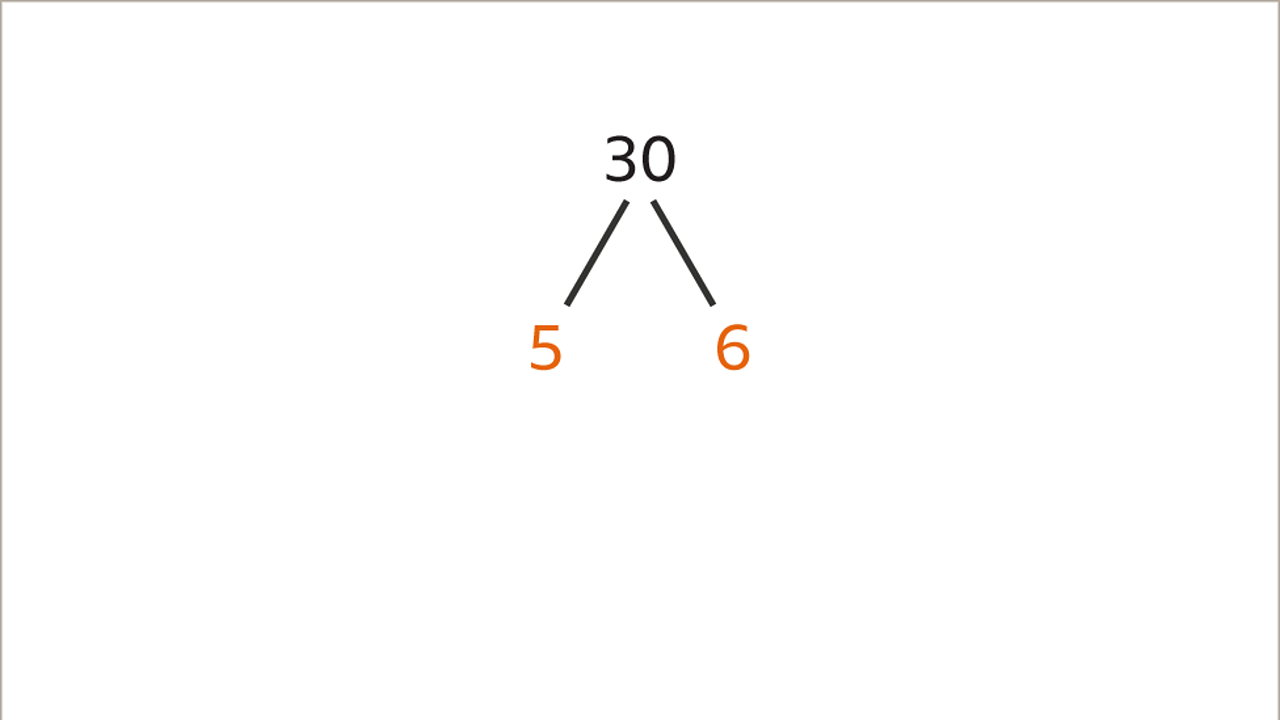
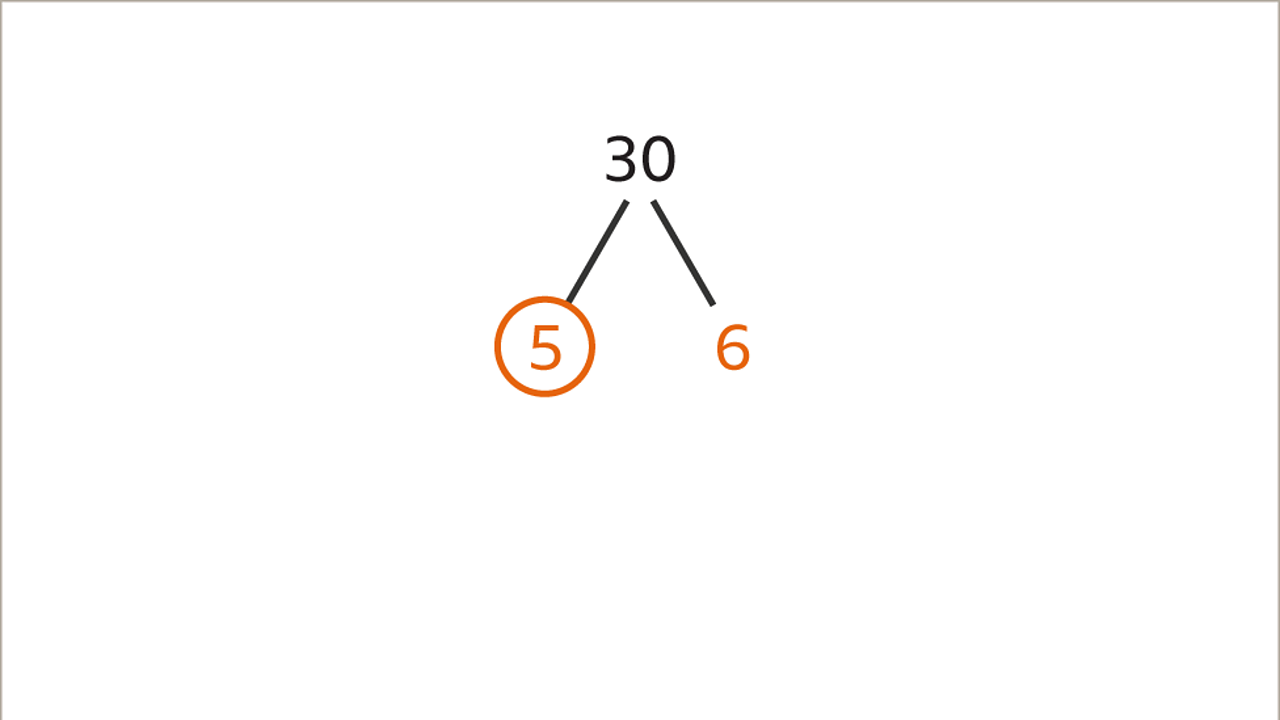
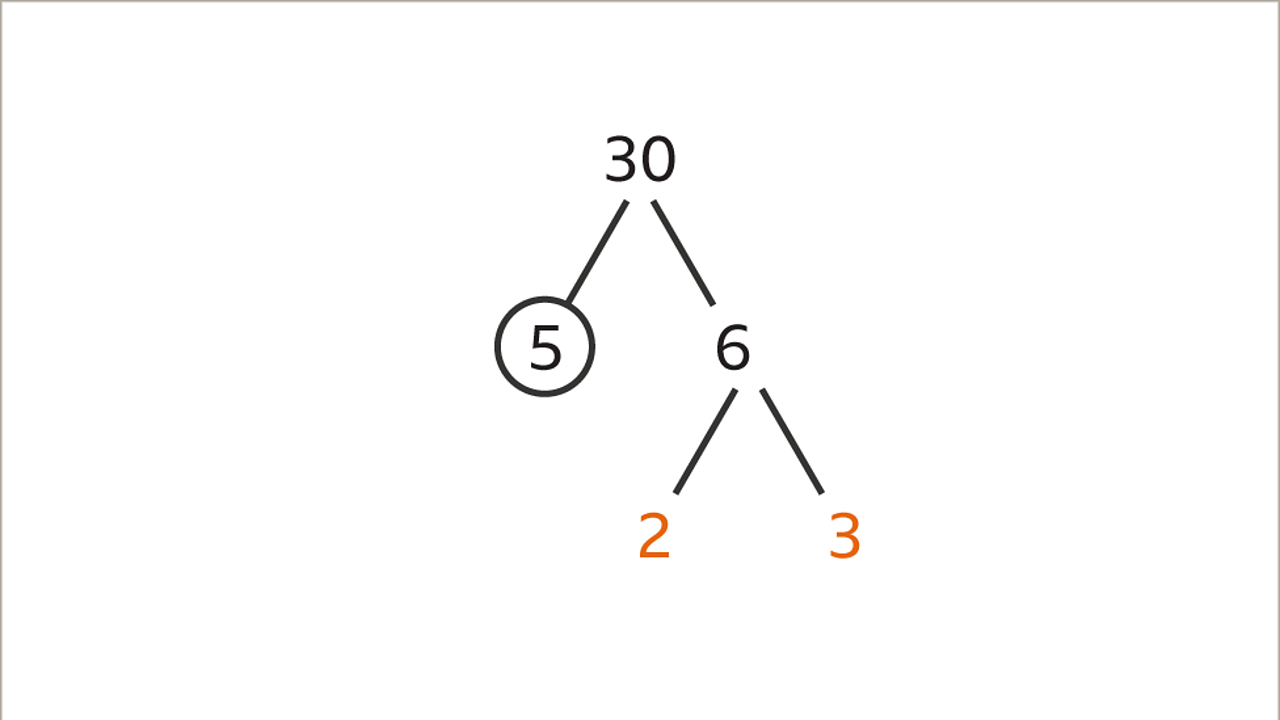
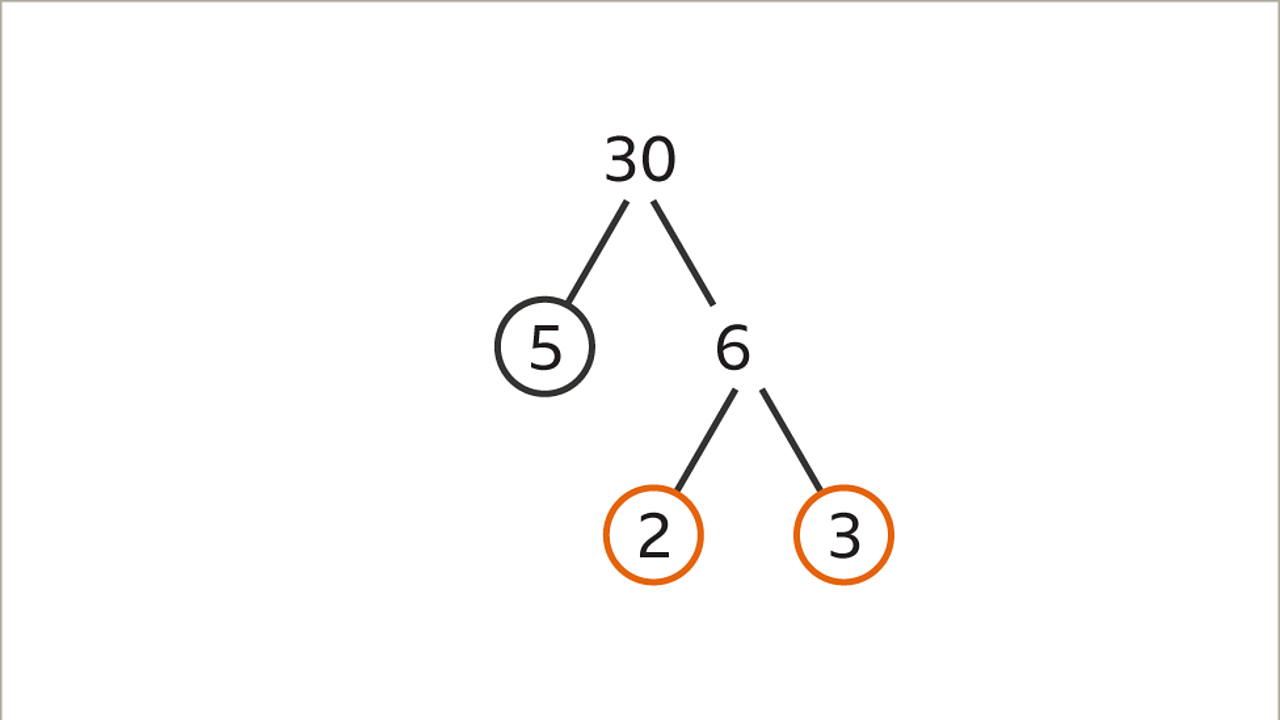
Question
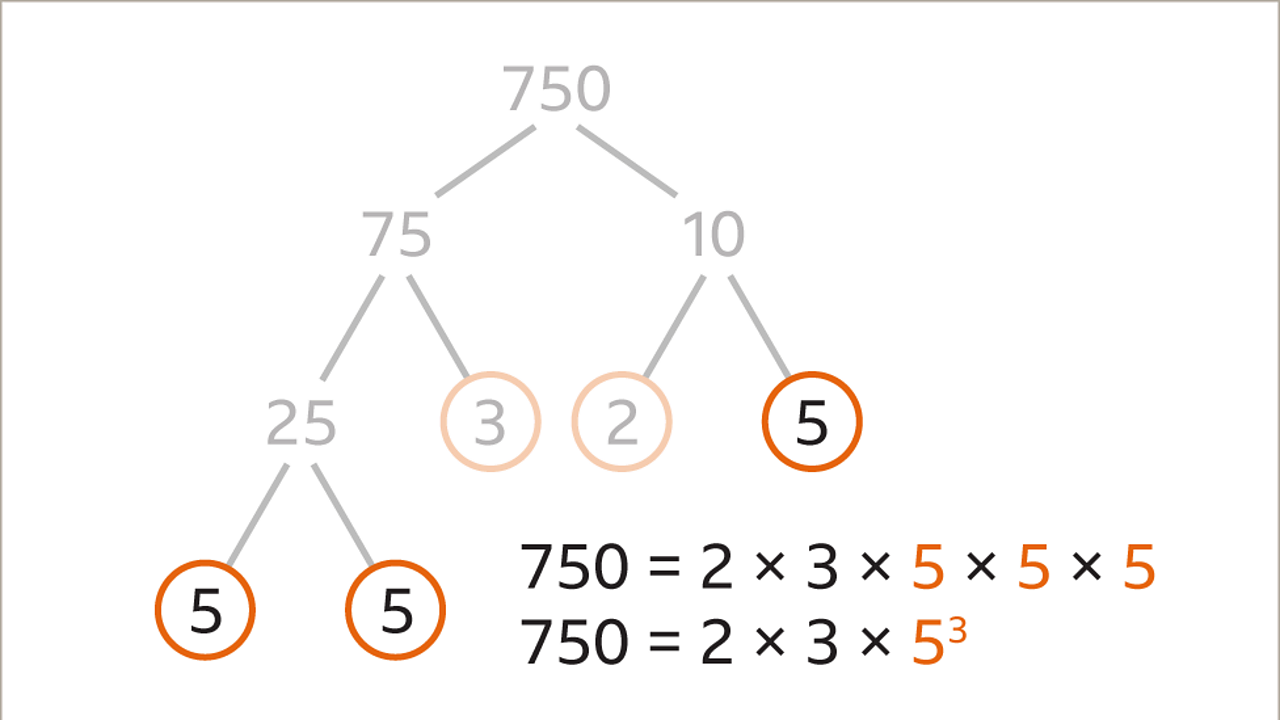
Write a number equally a product of its prime factors
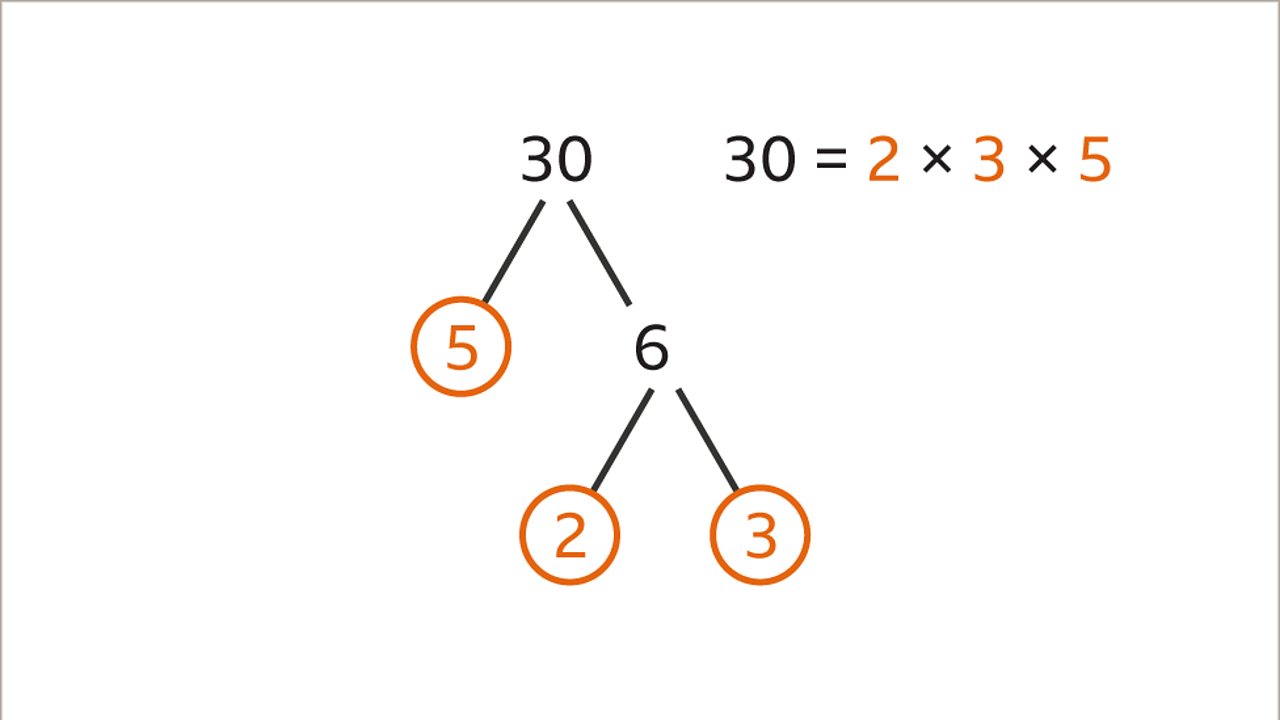
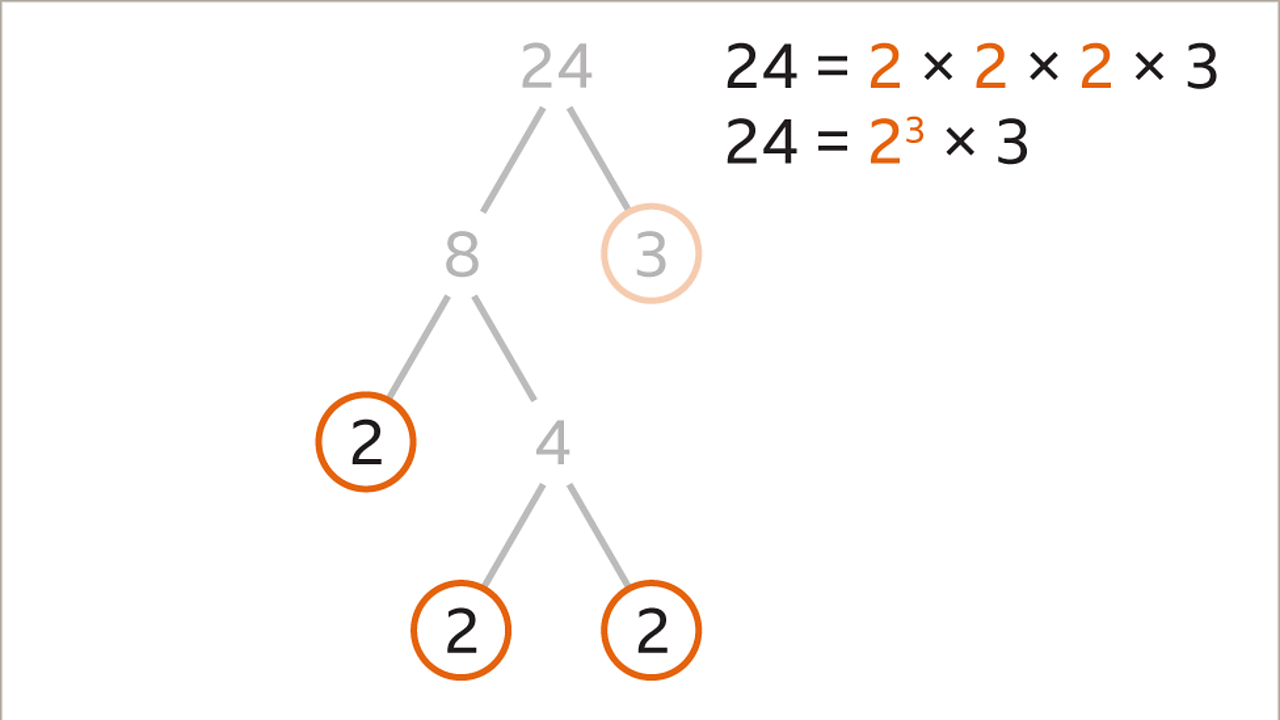
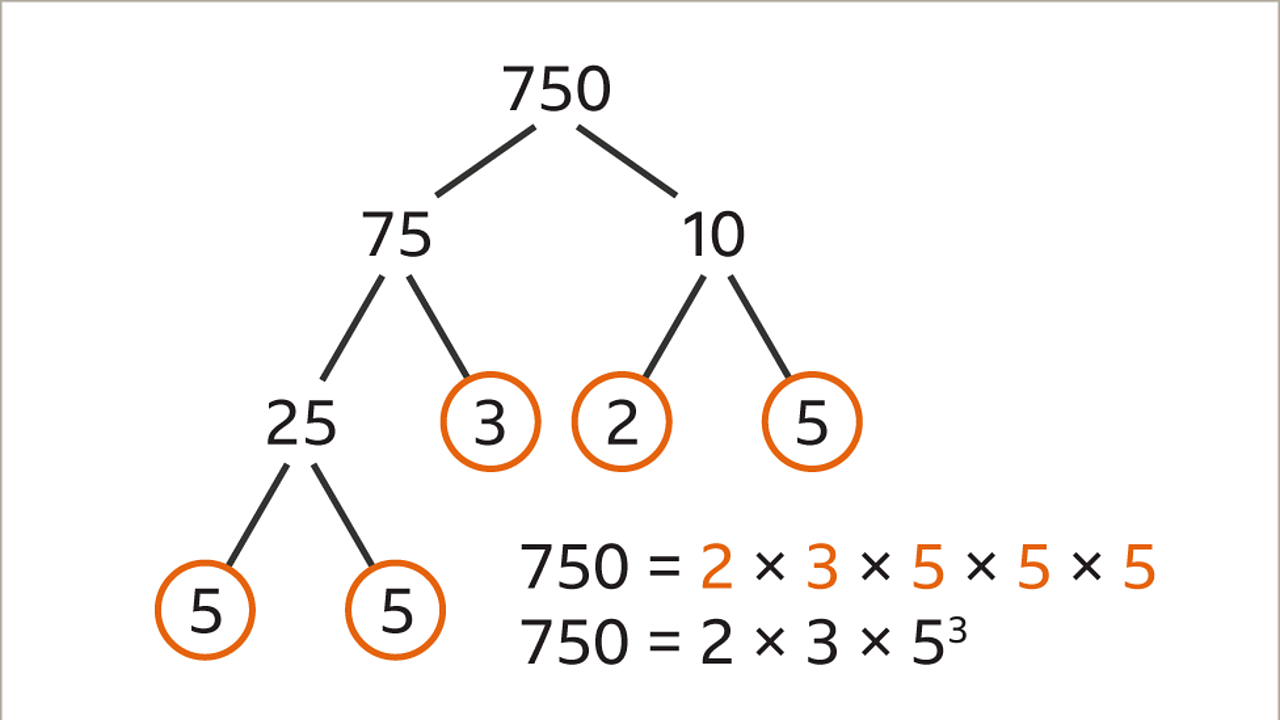
To write a number equally a , the number is written as the upshot of multiplying its together.
-
Draw a factor tree.
-
Write the number equal to the factors multiplied together in numerical order.
-
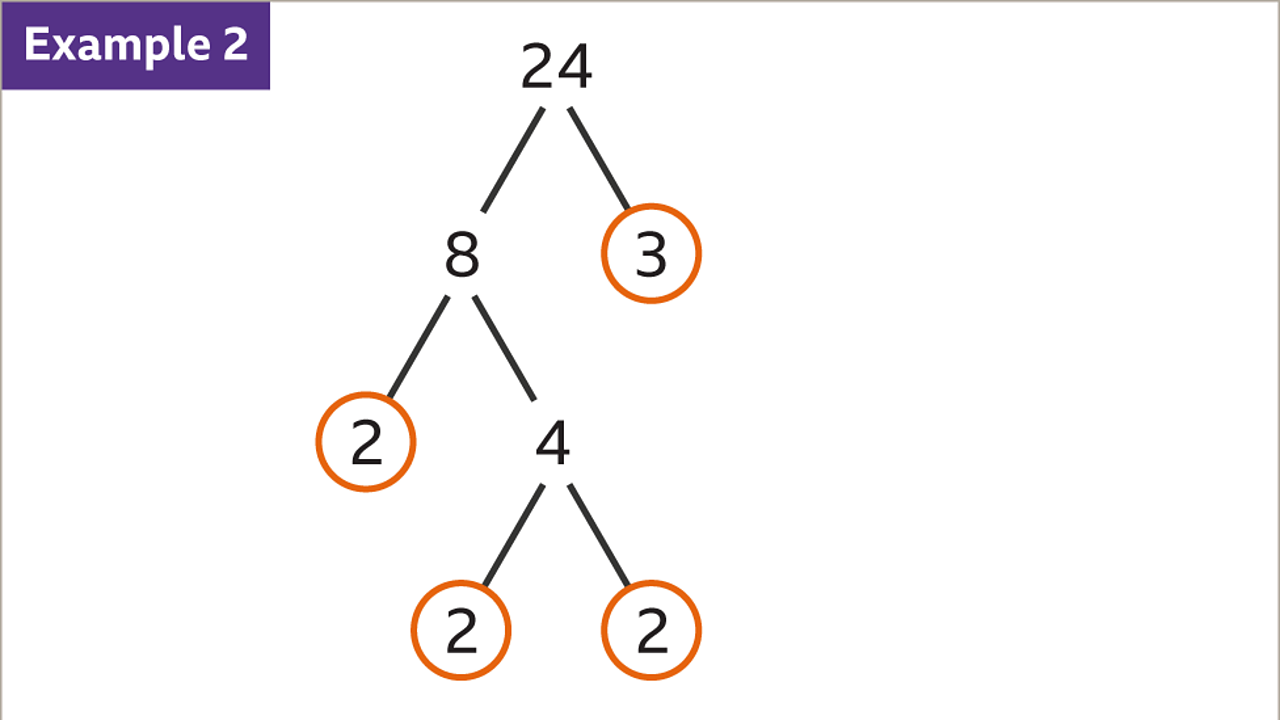
When a number occurs more than once, this can as well be written in class (with powers).
Writing a number as a product of its prime factors tin can be helpful when finding the (HCF) and (LCM) of large numbers.
Examples
Question
Practise finding factors
Practice what you've learned virtually finding the factors of a number with this quiz. Yous may need a pen and paper for some of these questions.
Quiz
Real-world maths
Finding factors and gene pairs tin can be useful in many different situations in real life.
For example, a couple are getting married and are planning their wedding. They have 72 guests coming who all need a seat. The tables tin seat upwardly to 12 people.
By using factor pairs , the couple can choose different combinations to suit their friends and family unit:
-
12 tables of 6 guests
-
9 tables of 8 guests
-
eight tables of 9 guests
-
6 tables of 12 guests

How Does Drawing Arrays For The Factor Pairs Help You Understand The Turn Around Rule?,
Source: https://www.bbc.co.uk/bitesize/topics/z6j2tfr/articles/zrghsrd
Posted by: myersounfee.blogspot.com
0 Response to "How Does Drawing Arrays For The Factor Pairs Help You Understand The Turn Around Rule?"
Post a Comment